
If you’re building a new home or thinking about updating your exterior, stucco deserves a serious look. It’s one of the oldest exterior finishing materials in the world, and for good reason. When installed correctly, stucco is durable, attractive, energy-efficient, and genuinely low-maintenance compared to most other siding options. For Denver homeowners specifically, it’s a material that performs well in our climate and looks right at home on everything from ranch-style builds to contemporary designs.
Here’s a thorough breakdown of what stucco actually is, what makes it a strong choice for siding, and how it stacks up against the alternatives.
What Is Stucco?
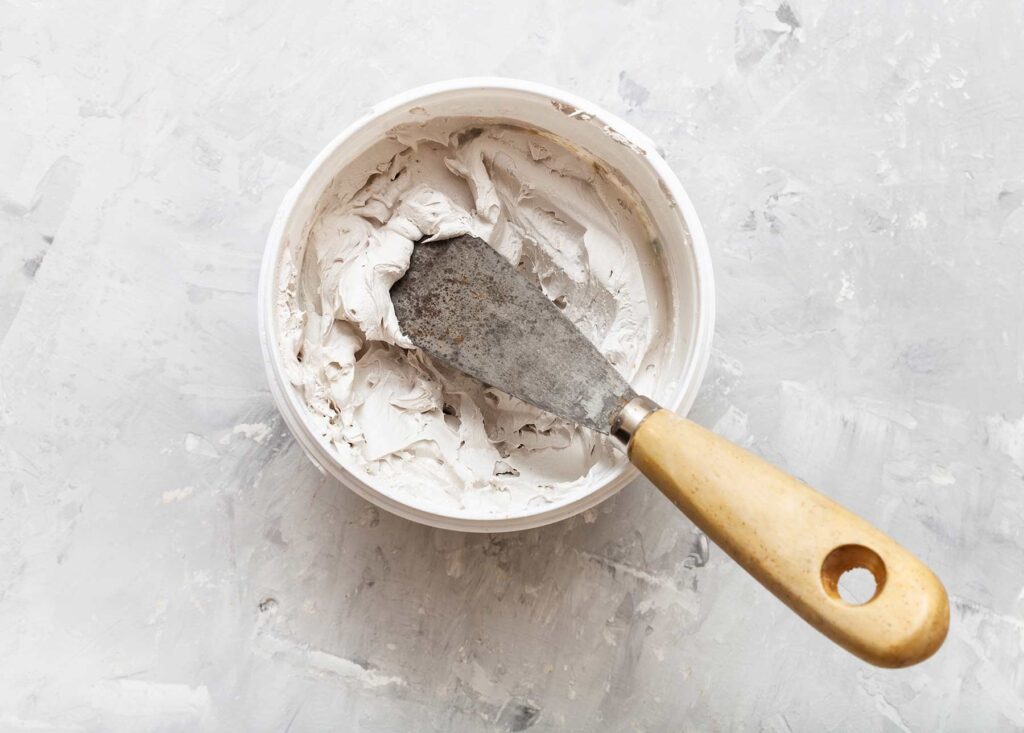
Stucco is a cement-based plaster, traditionally made from portland cement, sand, lime, and water. It’s applied to exterior or interior surfaces in multiple coats, typically two or three, and hardens into a dense, durable finish. Depending on the technique used during the final coat, stucco can be finished smooth or in a variety of textures.
Stucco has been used as an exterior finish for centuries. Early versions were made with lime rather than cement, but the development of portland cement produced a material that was more workable and dried more slowly, giving applicators better control over the finish. It became especially popular in the hot, arid climates of the American Southwest, where its insulating properties and resistance to moisture damage made it a natural fit.
Modern stucco systems have continued to evolve. Today’s hard coat stucco often incorporates fiber mesh reinforcement and elastomeric finish coats that significantly improve flexibility and crack resistance compared to older applications. When someone tells you stucco is prone to cracking, they’re often describing older installations or synthetic stucco systems, not a properly installed hard coat system with modern materials.
There’s also an important distinction between hard coat stucco and synthetic stucco, also known as EIFS (Exterior Insulation and Finish System). Hard coat is a cement-based system applied directly to the substrate. Synthetic stucco is a foam-based system that looks similar but behaves very differently. Most of the moisture and performance problems people associate with stucco are tied to synthetic systems, not hard coat. At Denver Stucco & Stone, we use the EliteWall hard coat system because it’s the right material for Colorado’s climate and the one we trust to perform over the long term.
The Benefits of Stucco Siding
There are several reasons stucco has remained one of the most popular exterior siding choices for decades, and most of them hold up well under scrutiny.
Durability
Hard coat stucco is genuinely tough. It’s impact-resistant, doesn’t rot, and won’t be eaten by insects. It holds up well against the UV exposure that comes with Colorado’s elevation, and properly installed stucco can last for decades without needing major intervention beyond routine maintenance. Adding fiber mesh reinforcement to the base coat, which is standard practice for our team, reduces the potential for future cracking significantly and extends the life of the system.
Fire Resistance
Stucco is one of the more fire-resistant exterior siding options available. Even a single inch of stucco provides meaningful fire resistance, which is particularly relevant in Colorado where wildfire risk is a real consideration for many communities along the Front Range and in the foothills. For homeowners in those areas, stucco’s fire resistance is a genuine practical benefit, not just a footnote.
Energy Efficiency
Stucco is a natural insulator. It doesn’t conduct heat or cold the way metal siding does, which means it helps your home maintain a more stable interior temperature year-round. In Denver’s climate, where summer afternoons can be scorching and winter nights brutal, that thermal performance translates into real energy savings over time. Of all the common siding materials, stucco consistently ranks at or near the top for thermal efficiency.
Moisture Management
Properly installed stucco sheds water effectively while remaining breathable enough to allow water vapor to escape. This is the characteristic that gets misunderstood most often. Stucco isn’t waterproof in the sense that it’s impermeable. It’s designed to work with a drainage plane behind it that channels any moisture that does penetrate the surface away from the structure. When that system is installed correctly, stucco handles moisture very well. When it isn’t, problems follow. This is exactly why professional installation matters so much.
Low Maintenance
One of stucco’s most practical advantages is that color is typically mixed directly into the finish coat rather than painted on top. That means no repainting every few years to maintain your exterior’s appearance. Stucco does require periodic inspection and prompt attention to any cracks that develop, but the ongoing maintenance burden is genuinely lower than wood siding and comparable to or better than vinyl over the long term.
Design Flexibility
Stucco is a highly workable material that can be finished in a wide range of textures, from smooth and contemporary to rustic and heavily textured. Color options are virtually unlimited since pigment is mixed directly into the material. Stucco also pairs beautifully with stone veneer accents, which is one of the most popular combinations we work with in Denver. The contrast between smooth stucco and natural stone creates an exterior that looks high-end and architecturally interesting without requiring an elaborate design scheme.
How Stucco Compares to Other Siding Options
Every siding material has tradeoffs. Here’s an honest look at how stucco stacks up against the most common alternatives.
Stucco vs. Vinyl Siding
Vinyl is affordable and virtually maintenance-free, but it doesn’t offer the same thermal performance as stucco, and it can look cheap, particularly at lower price points. Vinyl can crack or split in extreme cold, and it’s more susceptible to wind damage if not installed properly. Stucco offers better insulation, better fire resistance, and a more substantial, high-end appearance. The upfront cost is higher, but the long-term performance and curb appeal advantages are meaningful.
Stucco vs. Wood Siding
Wood siding has a natural warmth and beauty that’s hard to replicate, but it comes with significant maintenance demands. It needs to be repainted or restained regularly, it’s vulnerable to moisture and insect damage, and it requires more ongoing attention than stucco. For homeowners who don’t want to think much about their exterior once the installation is done, stucco is the lower-maintenance choice by a considerable margin.
Stucco vs. Metal Siding
Metal siding is extremely durable and doesn’t crack, but it’s prone to denting and conducts both heat and cold more readily than stucco. In Colorado’s climate, where temperature swings are dramatic, that thermal conductivity is a real drawback. Metal is also a less common choice for residential applications in this region, and it can look industrial in ways that don’t suit every home style.
Stucco vs. Brick
Brick is beautiful and extremely durable, but it’s among the most expensive siding options and limits your design flexibility considerably once it’s installed. Stone veneer and stucco together can achieve a similar visual richness at a fraction of the cost, with more flexibility in color, texture, and coverage. For homeowners who love the look of masonry but want more design options, stucco with stone veneer accents is a compelling alternative.
What to Know About Stucco Installation
Stucco installation is genuinely skilled work. The physical demands are significant, the application requires consistent technique across multiple coats, and the details around windows, doors, and other penetrations require experience and attention to get right. This is not a project where cutting corners pays off. The performance and longevity of a stucco exterior depend heavily on the quality of the installation.
Key elements of a proper stucco installation include thorough surface preparation, correct integration of the weather-resistive barrier and drainage plane, proper flashing at all transitions and penetrations, appropriate cure time between coats, and a finish coat applied with consistent technique. Our team uses the EliteWall hard coat system with fiber mesh reinforcement, which gives the finished installation excellent crack resistance and long-term durability.
Once your stucco is installed, maintenance is straightforward. Inspect your exterior periodically for cracks, address any you find promptly, and make sure any paint you apply is a permeable masonry paint that allows the stucco to breathe. If you ever have concerns about the condition of your stucco, our stucco repair team can assess it and give you a straight answer about what needs attention and what doesn’t.
Is Stucco Right for Your Denver Home?
For most Denver homeowners, hard coat stucco is an excellent choice. It performs well in our climate, it looks great, it holds up over time with minimal maintenance, and it gives you a lot of design flexibility. The upfront investment is higher than vinyl but lower than brick, and the long-term value it adds to a home is well-documented.
The most important thing is making sure the installation is done right. A stucco exterior is only as good as the contractor behind it, which is why choosing an experienced, reputable stucco company matters so much. Denver Stucco & Stone has been doing this work in Denver for decades, and we bring that experience to every project we take on.
If you’re considering stucco siding for a new build or renovation, we’d love to talk through your options. Contact us today for a free estimate and let’s figure out what makes the most sense for your home.