
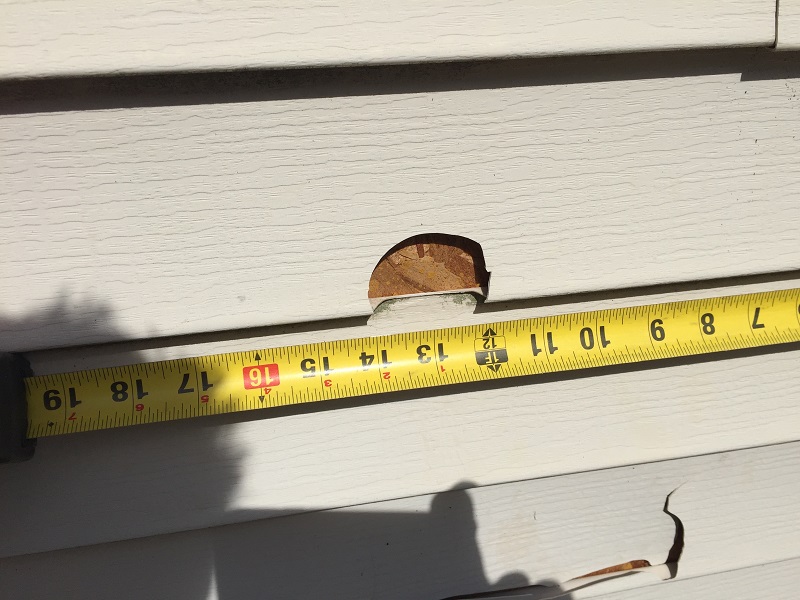
Colorado is one of the most hail-prone states in the country, and Denver sits right in the middle of what meteorologists call Hail Alley. The combination of the region’s high altitude, atmospheric conditions, and storm patterns means hail here falls faster and hits harder than it does at lower elevations. The damage that results can be significant, and it often happens with very little warning.
At Denver Stucco & Stone, we’ve handled hail damage repairs on Denver homes for decades. We know what hail does to stucco, windows, doors, and the rest of your exterior, and we know what homeowners can do before a storm hits to reduce the impact. Here’s a practical guide to protecting your Denver home during hail season.
Understand What You’re Up Against
Hail damage in Colorado tends to be more severe than in other parts of the country for a straightforward reason: altitude. Thinner air at Denver’s elevation offers less resistance to falling hailstones, which means they reach the ground moving faster than they would at sea level. Larger hailstones in particular carry significantly more impact energy here than the same size stone would produce elsewhere.
The damage this creates on a home’s exterior varies by material. Stucco can develop pitting, cracking, and in severe cases, larger impact damage that compromises the surface and creates entry points for moisture. Windows can crack or shatter. Roofing materials take a beating. Gutters, downspouts, and exterior trim all show the effects. The more proactive you are before storm season, the better positioned you’ll be to weather it with minimal damage and a straightforward recovery.
Start With Your Windows
Windows are one of the most vulnerable parts of your home during a serious hailstorm. Large hailstones can crack or shatter glass entirely, and even smaller hail hitting repeatedly across a storm can weaken windows that are already aged or compromised.
If you have older, single-pane windows, replacing them with modern impact-resistant units is one of the most effective protective investments you can make. Beyond hail resistance, you’ll also gain improved energy efficiency and noise reduction. Our window replacement team works with Denver homeowners on exactly this kind of upgrade and can walk you through options that fit your home’s style and your budget.
For existing windows you’re not replacing, closing blinds and drapes before a storm hits provides a layer of protection against wind-driven glass if a window does break. Permanent exterior shutters are another option worth considering if you want quick, reliable coverage during emergencies. They’re particularly useful for homeowners who spend time away from their property during storm season and want to be able to secure windows remotely or on short notice.
Get Your Roof Inspected Before Storm Season
Your roof is your home’s first line of defense against hail, and its condition going into storm season matters a lot. A roof that’s already showing wear, with cracked or missing shingles, deteriorating flashing, or soft spots, is significantly more vulnerable to hail damage than one that’s in good repair.
Before hail season ramps up, have your roof professionally inspected. Any existing damage from wear and tear should be addressed before storms arrive, because hail will find and exploit every weakness that’s already there. If your roof is nearing the end of its useful life, it’s worth having an honest conversation with a roofing professional about whether repair or replacement is the better path forward. A new roof going into storm season is a much better position to be in than an aging one that takes a direct hit.
After any significant hailstorm, get back up there or have a professional assess the damage promptly. Hail damage to roofing materials often isn’t immediately visible from the ground, and what looks like minor surface bruising can compromise shingles in ways that lead to leaks over the following months.
Protect Your Stucco Exterior
Stucco is a durable material, but it’s not impervious to hail. Large hailstones can create pitting and surface damage, and any impact that cracks the stucco surface creates a potential moisture entry point that needs to be addressed promptly. Left unrepaired, even small cracks in stucco can allow water to penetrate behind the surface, where it causes structural damage that’s far more expensive to fix than the original crack.
The best pre-season preparation for your stucco is a professional inspection. Our stucco repair team can assess the current condition of your exterior, identify any existing cracks or vulnerable areas, and get them addressed before storm season. Going into hail season with a sound, well-maintained stucco exterior gives you the best possible starting point.
After a significant hailstorm, inspect your stucco carefully for new damage. Look for pitting, fresh cracks, or any areas where the surface looks disrupted. Address anything you find quickly. Prompt repair after a storm prevents small hail impacts from becoming larger moisture problems over the following months.
Take Care of Your Landscaping
Hail doesn’t just damage structures. It can do serious damage to your landscaping as well, and overgrown trees and shrubs create their own hazards during a storm. Large branches that extend over your roof, driveway, or fence line become projectiles in high winds, and they can cause significant damage when they come down.
Before storm season, trim any trees with large branches overhanging your home or outbuildings. Keep shrubs and plantings near the house trimmed back so they’re not adding to wind load or debris risk during a storm. For plants and flowers you want to protect, hail netting is available and worth having on hand if you have a garden you’re invested in. Large trash cans or buckets can serve as quick covers for individual plants when a storm is imminent.
Healthy, well-maintained plants also recover from hail damage better than stressed ones. Appropriate fertilization and watering going into storm season gives your landscaping the best chance of bouncing back quickly after a hit.
Secure Your Outdoor Furniture and Belongings
Strong winds accompany most serious hailstorms, and anything left loose on your property becomes a hazard during the storm itself. Deck furniture, bicycles, toys, decorative items, and outdoor equipment can be picked up, thrown, and damaged both by the wind and by the hail itself.
When a storm is in the forecast, bring outdoor furniture and loose items inside or move them to an enclosed area. If you have a garage, use it. If not, weighted covers designed for patio furniture can provide meaningful protection for larger items that can’t easily be moved indoors. The goal is to eliminate loose projectiles and protect items you’d otherwise have to replace after the storm.
Know What to Do After a Storm
Even with the best preparation, a serious hailstorm can cause damage. What you do in the hours and days after matters a lot for both your property and your insurance claim.
Document everything as thoroughly as possible before any cleanup or repairs begin. Photograph all visible damage to your exterior, roof, windows, and landscaping. This documentation is important for insurance purposes and gives your contractor a clear picture of what needs to be addressed.
Contact your insurance company promptly to report the damage and understand your coverage. Most homeowners insurance policies cover hail damage, but there are often time limits on when claims need to be filed, and waiting too long can complicate the process.
Then call a contractor you trust. Denver Stucco & Stone handles post-storm hail repairs on stucco exteriors and can assess the full extent of the damage, give you a clear estimate, and get your home back in shape efficiently. We know what hail damage to stucco looks like, where it tends to hide, and how to repair it properly so your exterior is fully protected going forward.
Don’t Wait Until After the Storm
The best time to prepare your Denver home for hail season is before it starts. A proactive inspection, addressing any existing vulnerabilities, and having a plan in place puts you in a much stronger position when a storm rolls in. Denver Stucco & Stone offers free estimates and can help you assess where your home stands before storm season gets underway.
Contact us today to schedule your free consultation.