
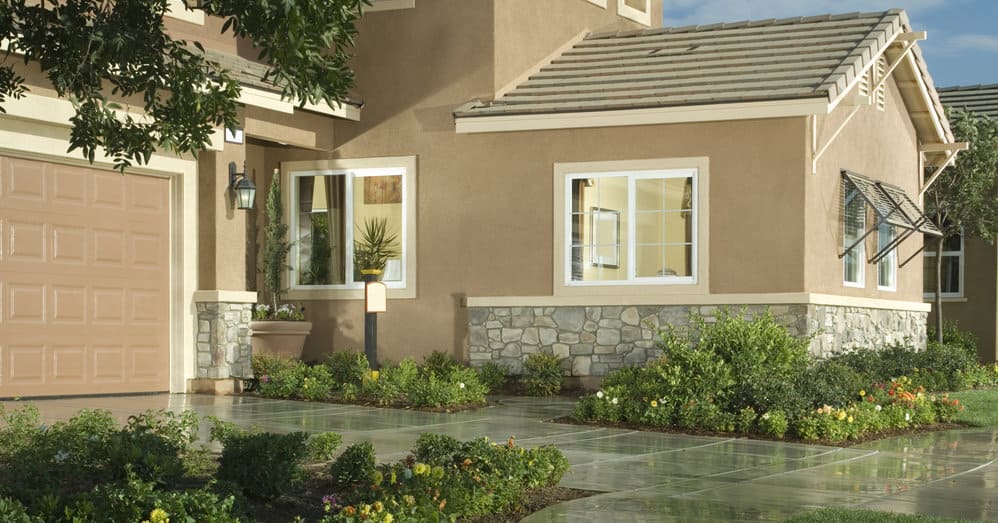
One of the things that surprises homeowners most when they start exploring stucco is how much variety there is. Stucco isn’t just one look. Depending on the finish technique, the texture, and how it’s combined with other materials, stucco can read as sleek and contemporary, warm and rustic, classic Mediterranean, or anything in between. If you’ve ever driven through a Denver neighborhood and noticed two stucco homes that looked completely different from each other, that’s exactly why.
Beyond the aesthetics, stucco brings real practical benefits that make it one of the smartest exterior investments available to Denver homeowners. Here’s a thorough look at why stucco is worth considering, what the most popular finish styles look like, and how it can be combined with other materials to create an exterior that’s truly your own.
Why Stucco Is Worth the Investment
Before getting into the style options, it helps to understand what makes stucco a strong practical choice, not just a visual one.
Fire Resistance
Hard coat stucco achieves a one-hour fire rating, meaning it can withstand direct flame exposure for a full hour before the underlying structural materials are affected. In Colorado, where wildfire risk is a real and growing concern for communities along the Front Range and in the foothills, a fire-resistant exterior finish is a meaningful layer of protection. For homes in areas with tighter lot spacing, stucco’s fire resistance also helps limit the spread of fire between structures.
Durability
Properly installed hard coat stucco is one of the most durable exterior finishes available. It doesn’t rot, won’t be damaged by insects, and holds up well against Colorado’s intense UV exposure, dramatic temperature swings, and periodic hailstorms. With fiber mesh reinforcement in the base coat, which is standard practice for our team at Denver Stucco & Stone, crack resistance is significantly improved over older stucco systems. A well-maintained stucco exterior can last for decades without major intervention.
Energy Efficiency
Stucco is a natural insulator that doesn’t conduct heat or cold the way metal siding does. This helps your home maintain a more stable interior temperature throughout the year, which translates into lower heating and cooling costs over time. In Denver’s climate, where summer afternoons can be genuinely hot and winter nights genuinely cold, that thermal performance adds up to real savings on energy bills.
Curb Appeal and Long-Term Value
Stucco holds its appearance exceptionally well because color is typically mixed directly into the finish coat rather than painted on top. That means no fading and no repainting every few years just to maintain your home’s exterior. The wide range of available textures and colors gives you genuine design flexibility, and the finished result tends to photograph well and make a strong impression on buyers when it comes time to sell.
The Most Popular Stucco Finish Styles
The finish is what defines how a stucco exterior looks, and the options range from dramatically textured to almost perfectly smooth. Here’s a breakdown of the most common styles and what makes each one distinctive.
Sand Finish
Sand finish stucco is one of the most widely used finishes, and it’s easy to understand why. The fine, slightly grainy texture it produces is subtle enough to work with almost any architectural style while still being visually interesting. It’s applied as a single finish coat, which makes it one of the faster options to achieve, and it’s also one of the more straightforward finishes to patch later if repairs are needed, provided you have the original color mix on file. For homeowners who want a clean, understated look without going all the way to smooth, sand finish is a reliable choice.
Dash Finish
Dash finish stucco is applied by spraying the material onto the surface, which creates a rougher, more pronounced texture than sand finish. The depth of the texture can be controlled by adjusting how heavily the material is applied, giving you some flexibility in how dramatic the final look is. Dash finish works particularly well on homes going for a natural or organic aesthetic, and the texture does a good job of adding visual depth on larger wall surfaces that might otherwise feel flat.
Skip-Trowel Texture
Skip-trowel is what most people picture when they think of classic stucco. It’s a two-coat application that produces a deliberately irregular surface with variations in thickness and depth across the wall. The result is intentionally imperfect in a way that reads as handcrafted and characterful. It’s a forgiving finish that can disguise minor wall imperfections and looks particularly good on homes with Mediterranean, Spanish Colonial, or Southwestern architectural influences. It’s also a style that ages gracefully and tends to look better over time rather than worse.
Cat Face Finish
Cat face finish creates a surface with large, relatively smooth patches interspersed with smaller areas of rougher texture scattered across the wall. The contrast between the two surface conditions creates a unique, almost organic pattern that makes each installation genuinely one-of-a-kind. It’s a style that tends to work well on homes where the owner wants something with more personality and visual interest than a standard uniform finish, and the irregular pattern gives the exterior a handmade quality that’s hard to replicate with other materials.
Smooth Finish
Smooth finish stucco is the most demanding to apply correctly and the most striking when done well. Achieving a truly flat, consistent surface requires significant skill and experience, which is why it’s essential to work with an experienced contractor if this is the look you’re after. The payoff is an exterior that reads as clean, refined, and unambiguously contemporary. Smooth stucco works particularly well on modern and minimalist homes where the architecture relies on clean lines and material contrast rather than surface texture for visual interest.
Santa Barbara Finish
Santa Barbara finish incorporates fine sand particles into the stucco mix to create a finish that’s smoother than skip-trowel but still has warmth and texture. The result evokes the look of traditional adobe construction and works beautifully on homes with Southwestern or Spanish Colonial influences. It’s a style that feels at home in the Colorado landscape and pairs naturally with warm earth tones and natural material combinations.
Worm Finish
Also called swirl finish, worm finish stucco is applied and then worked with a float in circular or figure-eight motions to create a surface covered in distinctive swirling patterns. Because the patterns are created by hand, no two installations look exactly alike, which is a genuine draw for homeowners who want something that’s unmistakably their own. The texture is bold and distinctive, and it reads very differently depending on the color chosen, from playful and organic in warm earth tones to dramatic and modern in darker shades.
Combining Stucco With Other Materials
Some of the most compelling exterior designs we work on at Denver Stucco & Stone combine stucco with other materials to create layered, visually rich results that a single material simply can’t achieve on its own.
Stucco and Stone Veneer
This is our most requested material combination, and it consistently produces some of the most striking exterior results we deliver. The contrast between the smooth or textured stucco surface and the natural depth and variation of stone veneer creates an exterior that feels both substantial and refined. Stone veneer accents around entryways, at the base of a facade, around windows, or on architectural features like columns and gables add a level of detail and character that elevates the entire exterior. If you’re considering stucco and want to take the design further, stone veneer is almost always worth exploring.
Stucco and Siding
Mixing stucco with other siding materials on the same exterior is a design approach that offers real flexibility. Stucco on the upper portions of a facade combined with a different material at the base, or stucco used as the primary field material with siding as an accent, creates visual interest and architectural definition that a single-material exterior doesn’t have. It also allows you to manage costs strategically by using stucco where it has the most visual impact and complementing it with other materials elsewhere.
Stucco and Brick
Stucco and brick together create a warm, classic combination that works particularly well on traditional and transitional home styles. The color relationship between the two materials is naturally harmonious, and the textural contrast adds depth and interest to the exterior. Stucco can also be applied over existing brick to update an older home’s exterior while preserving the underlying structure, which is a cost-effective approach to a significant visual transformation.
Stucco and Wood
Wood and stucco is a pairing with deep roots in regional architecture, and it remains a compelling combination for homeowners who want warmth and natural character in their exterior design. Wood accents, whether used as trim, soffits, exposed beams, or architectural details, bring a softness and organic quality that plays beautifully against stucco’s harder surface. The combination works across a wide range of styles from rustic and craftsman-inspired to clean and contemporary.
Figuring Out What’s Right for Your Home
With this many options on the table, it can be genuinely hard to know where to start. That’s where working with an experienced local contractor makes a real difference. Our team at Denver Stucco & Stone has spent decades working with Denver homeowners on stucco installation projects of every size and style. We know what works in this climate, what holds up over time, and what combinations and finishes tend to produce the results homeowners are happiest with.
We offer free, no-obligation estimates and will spend real time with you upfront understanding your vision before any work begins. If your project also involves stucco repair, exterior painting, or other exterior work, we can plan and execute it all together for a cohesive finished result.
Contact us today to schedule your free estimate and let’s start figuring out what your home’s exterior could look like.