
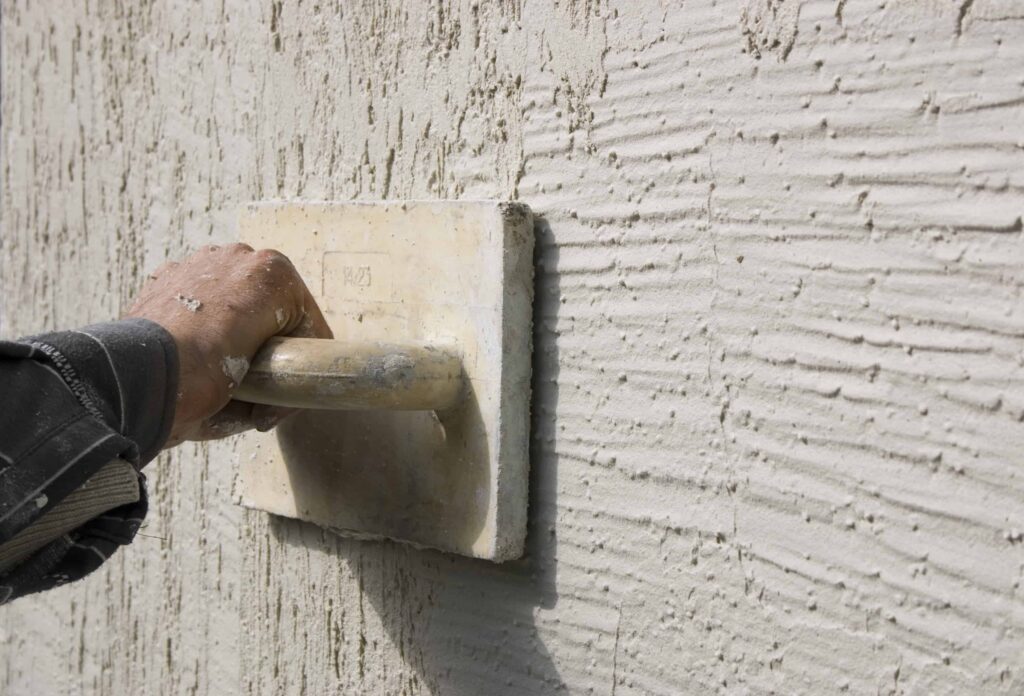
Stucco has developed an unfair reputation over the years. Talk to enough homeowners and you’ll hear it described as a maintenance nightmare, a moisture trap, and an aesthetic downgrade. None of that is accurate when stucco is installed and maintained correctly, but the myths have stuck around long enough to actually affect home values in some markets.
We’re here to set the record straight. As Denver’s stucco specialists, we’ve seen firsthand what properly installed stucco looks like and what happens when it isn’t done right. The difference between stucco that causes problems and stucco that adds value and beauty to a home comes down almost entirely to craftsmanship and materials. Here’s a closer look at the most common stucco myths and what the truth actually is.
Myth #1: Buying a Home With Stucco Siding Is Asking for Trouble
This one persists because there’s a kernel of truth buried in it. Poorly installed stucco absolutely can cause problems. Water intrusion, deterioration, and stucco pulling away from the structure are all real issues that happen on homes where the installation was done incorrectly or where maintenance has been neglected. The mistake is blaming the material instead of the workmanship.
Stucco is actually a waterproof, moisture-resistant material by nature. It’s also porous enough to allow water vapor to escape, which is an important characteristic that prevents moisture from becoming trapped behind the surface. When stucco is installed properly with quality materials, a correctly integrated drainage plane, and appropriate sealing around windows, doors, and penetrations, it performs exceptionally well against the elements.
The problems start when corners get cut during installation. Improper flashing, the wrong materials, inadequate surface preparation, or skipping steps in the drainage plane integration can all create conditions where water gets behind the stucco and has nowhere to go. That’s a contractor problem, not a stucco problem.
At Denver Stucco & Stone, our stucco installation process is built around preventing those issues before they ever have a chance to develop. We use quality materials and installation practices that keep water where it belongs: outside your home.
Myth #2: Stucco Is Difficult to Maintain
Compared to many other exterior siding options, stucco is actually one of the lower-maintenance choices available. That said, low maintenance doesn’t mean zero maintenance. Here’s what proper stucco upkeep actually looks like.
The most important habit is regular visual inspection. Walk your exterior periodically and look for cracks, especially horizontal or vertical ones that could indicate foundational settlement. Small hairline cracks are normal and manageable. Large or growing cracks need attention sooner rather than later, and the underlying cause needs to be identified and addressed, not just patched over.
When stucco does need painting, use permeable masonry paint. This is one of the most common and damaging mistakes homeowners make: applying impermeable paint over stucco. Stucco needs to breathe. Sealing it with a non-porous paint traps moisture inside, which accelerates cracking and deterioration. The right paint lets water vapor escape while still protecting the surface and refreshing the color.
Regular professional inspections are also worth building into your routine. A qualified stucco contractor knows exactly what to look for and can identify issues that aren’t obvious to the untrained eye. Catching a small problem early is almost always significantly less expensive than dealing with it after it’s had time to grow. Our stucco repair team works with Denver homeowners regularly on exactly this kind of proactive maintenance.
Myth #3: All Stucco Has the Same Problems
This myth lumps two very different materials together under the same name, and that’s where a lot of the confusion comes from. There is a significant difference between hard coat stucco and synthetic stucco (also known as EIFS), and understanding that difference matters a lot when you’re evaluating your options.
Hard coat stucco is a traditional, cement-based system. It’s dense, durable, and when properly installed, it’s exceptionally well-suited for a climate like Denver’s, where freeze-thaw cycles, intense UV exposure, and dramatic temperature swings are part of daily life. It has a proven track record going back centuries.
Synthetic stucco is a lighter-weight, foam-based system that became popular in the latter half of the twentieth century. It offers more flexibility in texture and color, but it also has a well-documented history of moisture problems when not installed with meticulous attention to detail. Much of the negative reputation that stucco as a whole carries today is actually the legacy of poorly installed synthetic stucco systems.
At Denver Stucco & Stone, we use the EliteWall hard coat stucco system. It’s the material we trust, and it’s what we recommend to homeowners who want a stucco exterior that will hold up beautifully for decades. If you’re evaluating a home with existing stucco or considering a new installation, knowing which type you’re dealing with is one of the most important questions you can ask.
One quick field test worth knowing: if you tap on stucco siding with your knuckles or a screwdriver handle and hear a dull, hollow thud rather than a solid sound, that can indicate areas where the stucco has separated from the substrate, often due to trapped moisture. Solid stucco in good condition should sound dense and firm. If you’re hearing hollow spots, it’s time to call a professional for an assessment.
Myth #4: Stucco Doesn’t Look Good
This one is almost entirely the fault of synthetic stucco. The cheap, plasticky look that people associate with bad stucco exteriors is almost always synthetic material, not hard coat. When people see it peeling, fading, or developing that telltale wavy appearance, they write off stucco as a category. That’s like writing off hardwood floors because you had a bad experience with laminate.
Properly installed hard coat stucco has been one of the most sought-after exterior finishes in architecture for centuries. The classic European stucco aesthetic, smooth or lightly textured, warm and substantial-looking, is genuinely beautiful and adds real character to a home. In Denver’s architectural landscape, stucco complements everything from traditional ranch-style homes to contemporary builds, and it pairs exceptionally well with stone veneer accents for a layered, high-end exterior look.
The key word in all of this is craftsmanship. The aesthetic outcome of a stucco installation is a direct reflection of the skill and care of the contractor who did the work. Experienced stucco contractors know how to achieve consistent texture, clean lines at transitions, and a finished surface that looks intentional and refined. That’s what we’ve been delivering to Denver homeowners for decades.
What Good Stucco Installation Actually Looks Like
Since so many of these myths trace back to poor installation, it’s worth being specific about what separates quality stucco work from the kind that causes problems down the road.
Professional stucco installation starts with proper surface preparation. The substrate needs to be clean, sound, and correctly prepared to accept the stucco system. The weather-resistive barrier and drainage plane need to be properly integrated so that any moisture that does get past the stucco has a path to exit rather than accumulating behind the wall.
Flashing at every window, door, and roof-to-wall intersection is critical. These transitions are where water most commonly finds its way into a stucco system, and they require specific attention and the right materials to seal correctly. Rushing through or skipping this step is one of the most common causes of stucco moisture problems.
The stucco itself is applied in multiple coats, each of which needs adequate time to cure before the next goes on. Rushing the cure time to speed up a job is another source of problems that show up later as cracking or adhesion failures. Good stucco work isn’t fast work.
Finally, the finish coat needs to be applied with consistent technique to achieve uniform texture and color. This is where the craft element really shows up, and it’s where the difference between an experienced stucco contractor and an inexperienced one becomes most visible.
Stucco and Colorado’s Climate: A Good Match
One thing that often gets overlooked in the stucco conversation is how well hard coat stucco actually performs in Colorado specifically. Denver’s climate is challenging for exterior finishes. The combination of intense UV at elevation, wide daily temperature swings, periodic hail, and freeze-thaw cycles during shoulder seasons is hard on almost everything.
Hard coat stucco handles Colorado’s climate well for several reasons. It’s dimensionally stable under temperature changes, resistant to UV degradation, and when properly installed and maintained, it doesn’t absorb and hold water in a way that makes freeze-thaw damage a concern. It’s also relatively impact-resistant compared to softer siding materials, which matters in a region where hailstorms are a regular occurrence.
For Denver homeowners, a well-installed stucco exterior isn’t just an aesthetic choice. It’s a genuinely practical one. Combine it with quality exterior paint using the right permeable masonry products, and you have an exterior system that will hold up and look great for many years with minimal intervention.
The Bottom Line on Stucco
Stucco’s bad reputation is a case of a good material being judged by the worst examples of its installation. When the work is done right, with quality materials, proper technique, and attention to the details that matter, stucco is a durable, attractive, and low-maintenance exterior option that holds up exceptionally well in Denver’s climate.
If you’re considering stucco installation for a new build or renovation, or if you have existing stucco that needs repair or inspection, Denver Stucco & Stone is here to help. We’ve been doing this work in Denver for decades and we stand behind every job we do.
Learn more about our stucco installation services or contact us today for a free estimate.